

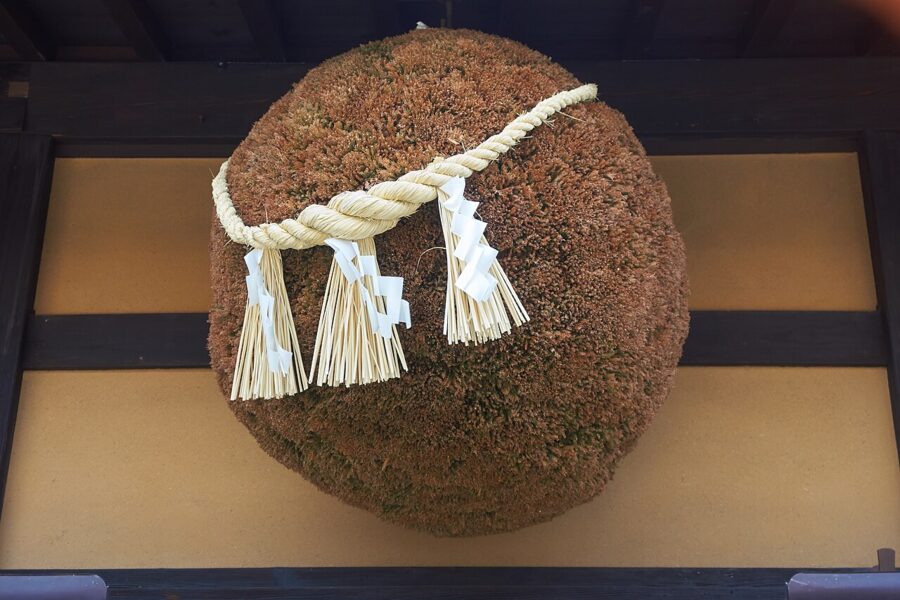
Outside a brewery in Takayama’s old town hangs a ball of cedar leaves, tied with straw rope under the eaves. When it goes up it is bright green, and it means the first sake of the new season has been pressed. Over the following months it dries to brown, and by autumn, when the green has gone completely, the sake brewed alongside it is ready to drink.
Step inside and the new sake is often poured for you at the counter: cold, sharp at the edges, a little sweet, with a smell closer to pear or melon than to anything you would expect from rice. A few minutes later you are trying to work out why the next bottle along tastes of cooked rice and mushrooms, and why the label on that one says 60% in large type.
That is the useful puzzle of sake. It is one drink made from rice, water, a mold called koji and yeast, yet it can be light or heavy, dry or sweet, ice cold or close to scalding. Learn how it is made, what the label says and how to ask for it, and every brewery town and izakaya counter in Japan starts to make sense.



What sake is, and what to call it
In Japanese, 酒 (sake) means alcohol in general, beer and wine included. The rice drink is 日本酒 (nihonshu, “Japanese alcohol”) or, in the legal wording on a label, 清酒 (seishu, “clear alcohol”). Ask for “sake” and you will usually get what you meant, but nihonshu is the word to look for on a menu. “Saki” is just a misspelling: the word is said “sah-keh”.
Under the National Tax Agency’s labeling standard, only sake made in Japan from Japanese rice may call itself nihonshu. It is brewed, not distilled, and finishes at around 15% alcohol: a little stronger than most wine, with very little acidity, a soft sweetness and a lot of umami. Depending on the bottle it can taste like a crisp, fruity white wine or something closer to a light, savory broth. The legal drinking age in Japan is 20, for visitors too.
How sake is made
Sake is made in winter. Rice is harvested in autumn, brewing runs through the cold months, and the Japan Sake and Shochu Makers Association notes that the best sake is often brewed in late January. A brewery uses roughly ten times as much water as rice, which is why the old brewing towns sit on good springs.
Polishing the rice
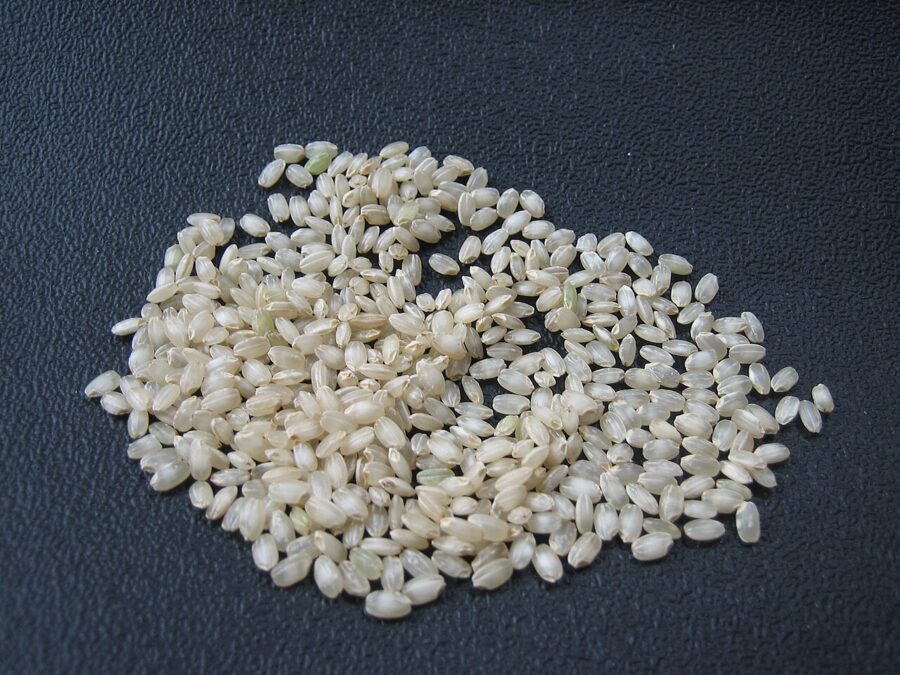
The outer layers of a rice grain carry proteins and fats that give sake heavier, rougher flavors, so brewers mill them away. The 精米歩合 (seimai buai, polishing ratio) is the share of the grain that is left. Table rice is milled to about 92%; most sake rice goes to 75% or less, and the top grades to 50% or lower. Yamada Nishiki, Omachi and Gohyakumangoku are the sake rice names you will see most on labels.

Koji, the mold that makes it work
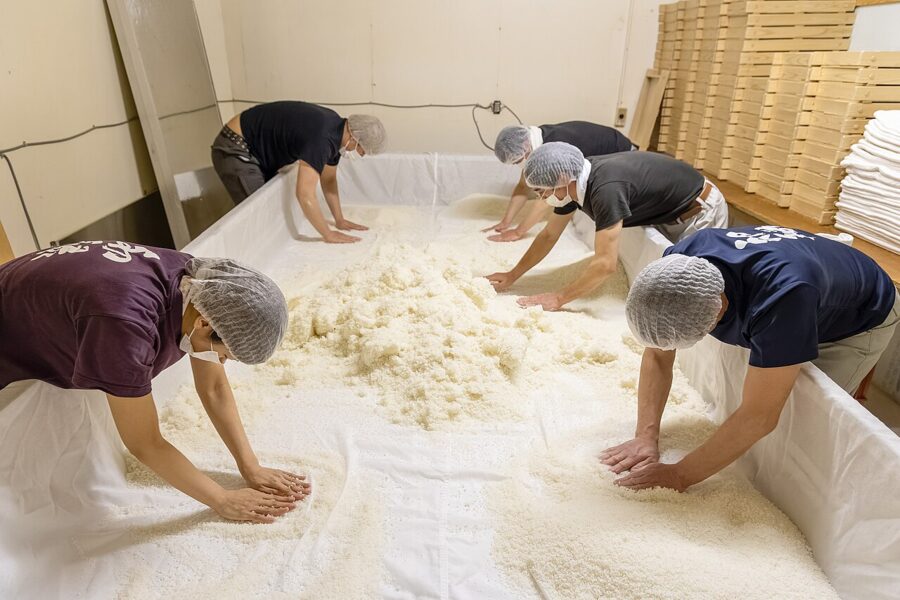
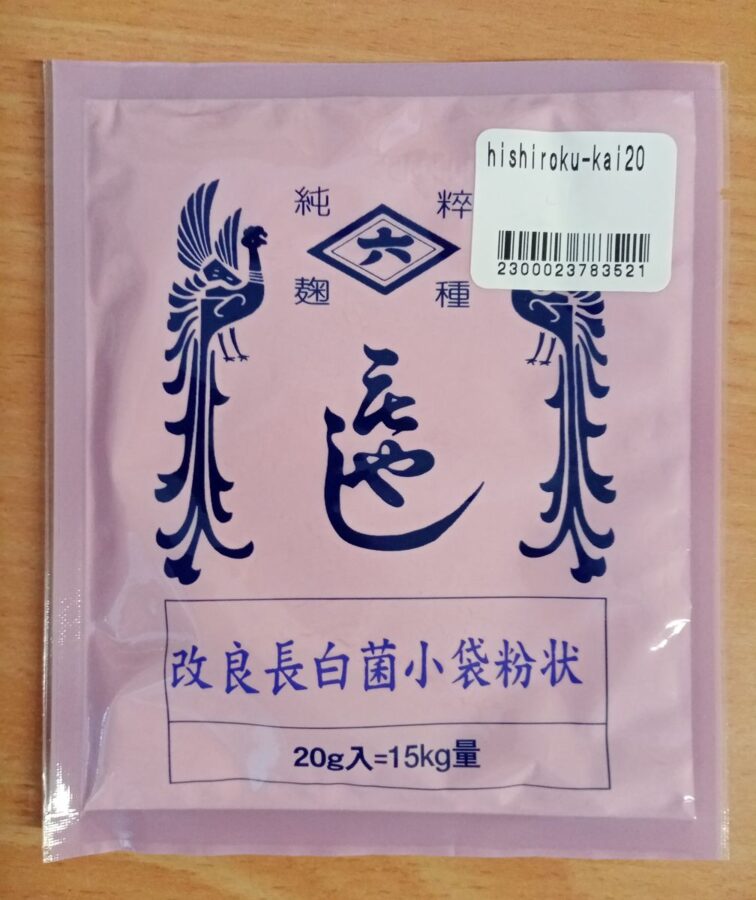
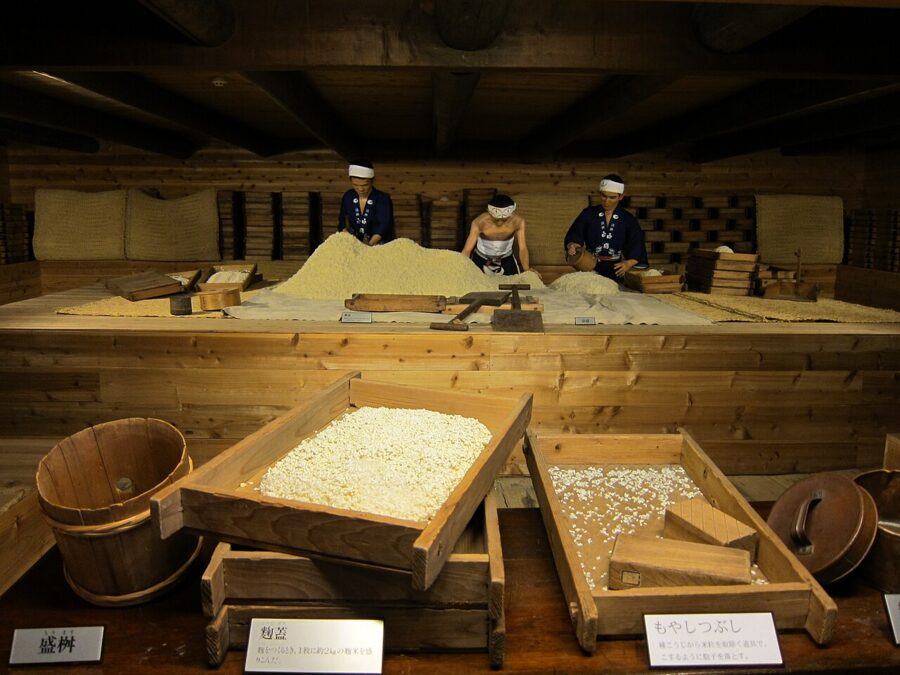
Yeast cannot ferment starch. Grapes arrive full of sugar and barley is malted, but sake relies on 麹 (koji): steamed rice dusted with spores of 麹菌 (koji-kin, Aspergillus oryzae) and nursed in a warm, humid room called the 麹室 (koji-muro), kept at around 30°C. The mold spreads through the grains and fills them with enzymes that turn starch into sugar. In season, brewers watch it around the clock.


The moto
Before the main brew comes a small, very active starter, the 酒母 (shubo) or 酛 (moto): rice, koji, water and yeast, kept acidic so stray bacteria cannot take hold. In the traditional 生酛 (kimoto) method, wild lactic bacteria do the work while the rice and koji are ground together; 山廃 (yamahai) skips the grinding. Both take about four weeks and give fuller-bodied sake.
The modern 速醸 (sokujo) method adds lactic acid and takes about two weeks. It dates from the early 1900s and is the main method today. When a label says kimoto or yamahai, expect something worth drinking warm.
Multiple parallel fermentation
In the main mash, the 醪 (moromi), koji keeps turning starch into sugar while yeast turns that sugar into alcohol, in the same tank at the same time. This multiple parallel fermentation is what sets sake apart. The mash is built in three additions, a method called 三段仕込み (sandan jikomi), then ferments for three to four weeks at 8–18°C and finishes at 17–20% alcohol. Ferment it slowly below 12°C and you get the fruity, perfumed style called ginjo.


Pressing
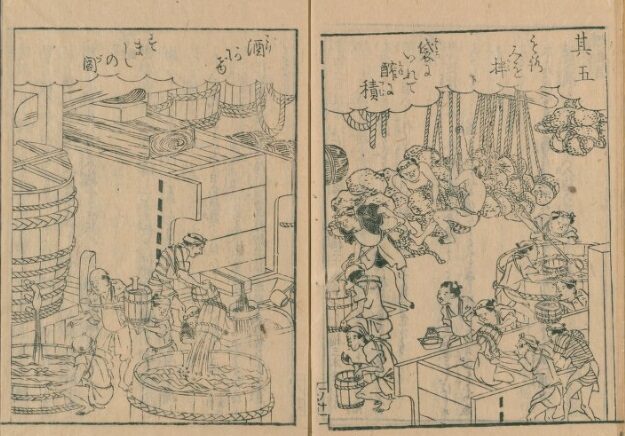
When fermentation is done, the mash is pressed. Large breweries use a horizontal press machine; others still load cloth bags into a wooden box called a 槽 (fune), and some hang the bags and let the sake drip under its own weight, called 袋吊り (fukurozuri), for the most delicate result. The first run is 荒走り (arabashiri), the middle 中取り (nakadori) and the last 責め (seme). The cake left behind is 酒粕 (sake kasu), about 8% alcohol by weight.
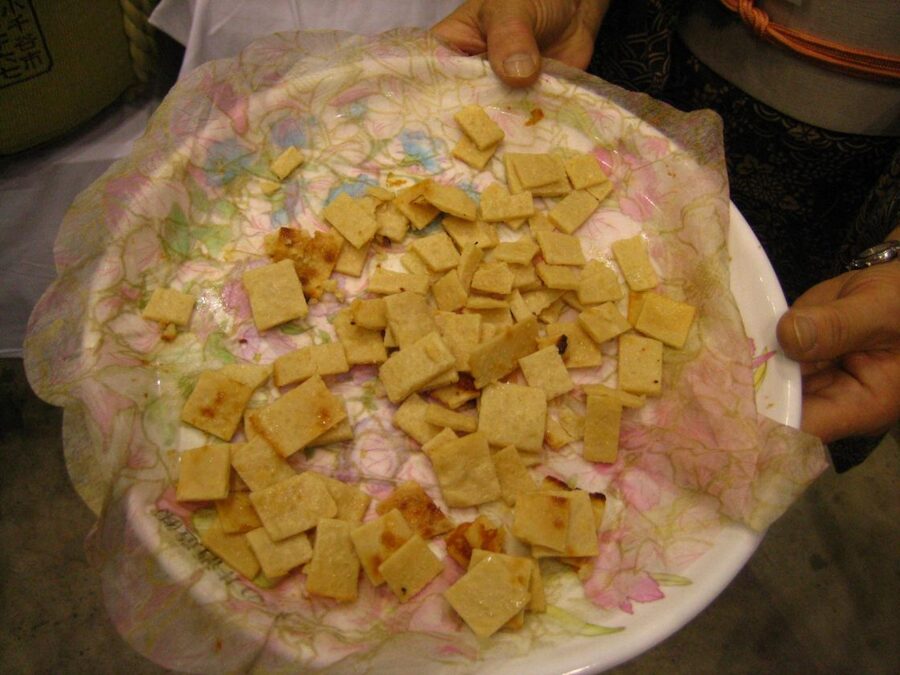
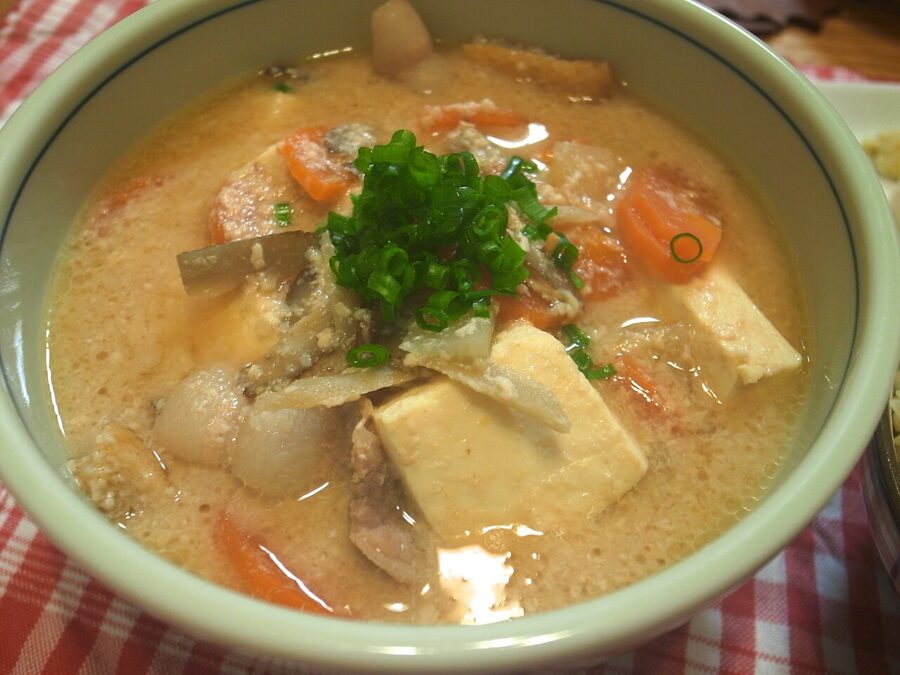
Most breweries blend the three runs, but nakadori bottled on its own is worth trying if you see it. Sake kasu is sold for cooking and pickling, and it makes a creamy winter soup.
Filtering, pasteurizing and resting
After settling and filtering, often through charcoal, most sake is heated to 60–65°C in a step called 火入れ (hiire), usually twice: before storage and at bottling. It then rests, traditionally through the summer, and is cut with water to around 15%. Skip a step and the bottle gets a new name: unpasteurized is 生 (nama), not charcoal-filtered is 無濾過 (muroka) and undiluted is 原酒 (genshu).
Koji and the 2024 UNESCO listing
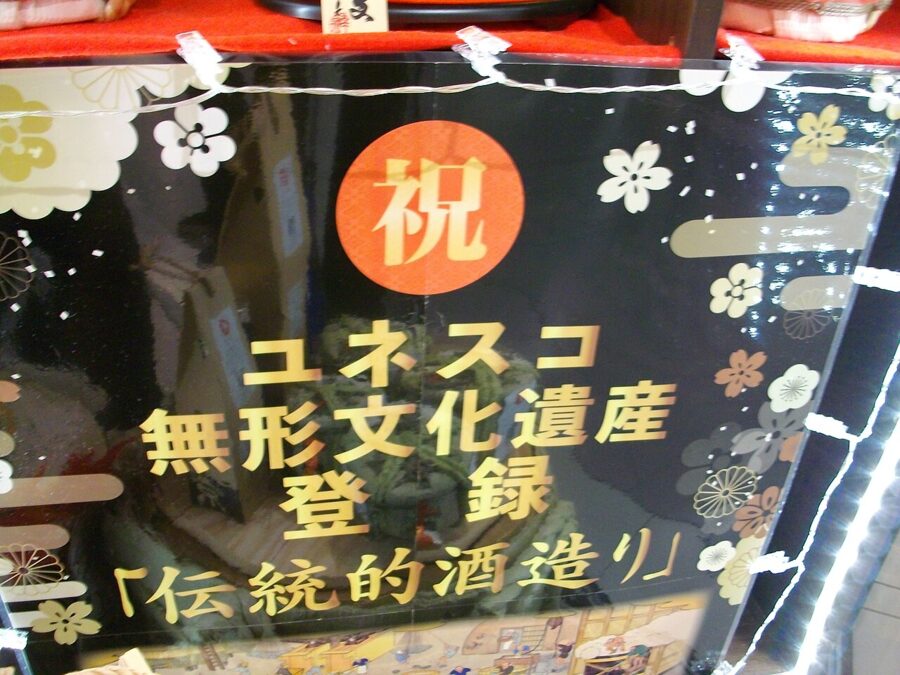
On December 4, 2024, in Asunción, Paraguay, a UNESCO committee inscribed Japan’s “Traditional knowledge and skills of sake-making with koji mold” on the Representative List of the Intangible Cultural Heritage of Humanity. It was 3:43 a.m. on December 5 in Japan, according to the Agency for Cultural Affairs.
What was listed is the craft, not a drink. The National Tax Agency’s page on the listing describes koji brewing built up by 杜氏 (toji, master brewers) and their crews over more than 500 years and passed down to nihonshu, shochu, awamori and mirin alike. It was Japan’s 23rd entry.
How to read a sake label
By law a label must show 清酒 or 日本酒, the ingredients, the alcohol content, the volume and the maker. Since January 2023 the bottling date has been optional, so you may not find one.
The word that matters most is the grade. Sake that meets the agency’s rules can carry one of eight 特定名称 (tokutei meisho, “special designations”); everything else is 普通酒 (futsushu, “ordinary sake”). All eight need at least 15% of the rice made into koji, and where distilled alcohol is allowed it is capped at 10% of the weight of the polished rice.
| Grade on the label | Distilled alcohol added? | Polishing ratio | What to expect |
|---|---|---|---|
| 純米大吟醸 (junmai daiginjo) | No | 50% or less | Fragrant, fine and expensive |
| 大吟醸 (daiginjo) | Yes, a little | 50% or less | The most perfumed style, often lighter |
| 純米吟醸 (junmai ginjo) | No | 60% or less | Fruity nose, more rice underneath |
| 吟醸 (ginjo) | Yes, a little | 60% or less | Fruity, light, clean finish |
| 特別純米 (tokubetsu junmai) | No | 60% or less, or a special method | Fuller junmai, a good food sake |
| 純米 (junmai) | No | No minimum | Savory, good warm |
| 特別本醸造 (tokubetsu honjozo) | Yes, a little | 60% or less, or a special method | Dry, clean everyday sake |
| 本醸造 (honjozo) | Yes, a little | 70% or less | Light and dry; good warm |
純米 (junmai, “pure rice”) means no added alcohol, nothing more; since 2004 it has had no polishing requirement. And the alcohol in a ginjo is not a cheat: a small dose pulls more aroma out of the mash and lightens the finish.
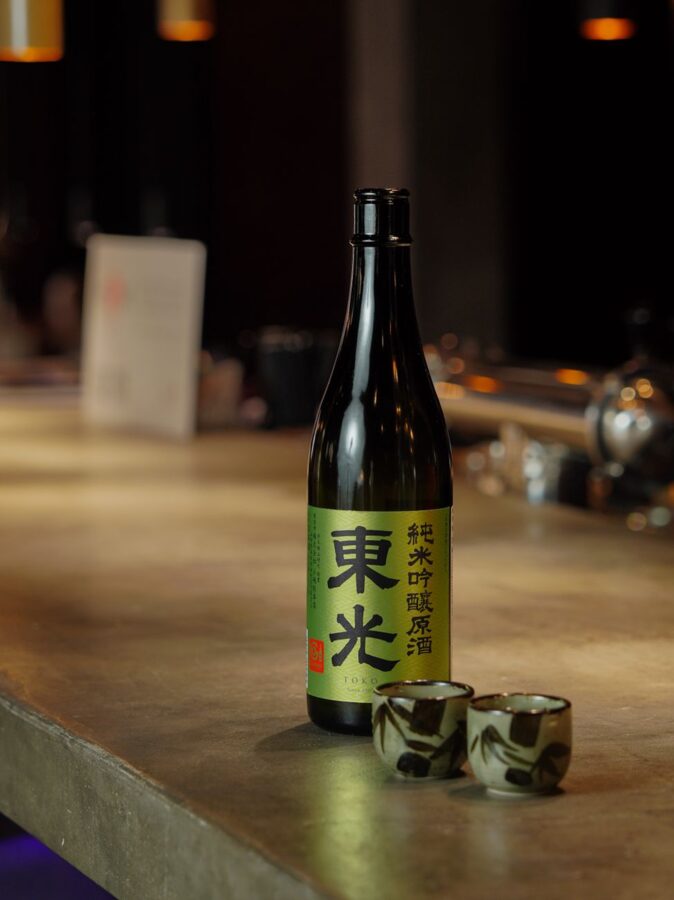
The polishing ratio, and what it does not tell you
Every graded sake prints its polishing ratio beside the ingredients: 精米歩合 60% means 40% of each grain was milled away. Lower numbers generally mean lighter, more fragrant sake and higher prices. They do not mean better. I would rather drink a good junmai at 70% with grilled fish than a 35% daiginjo, which can taste like perfume next to food.
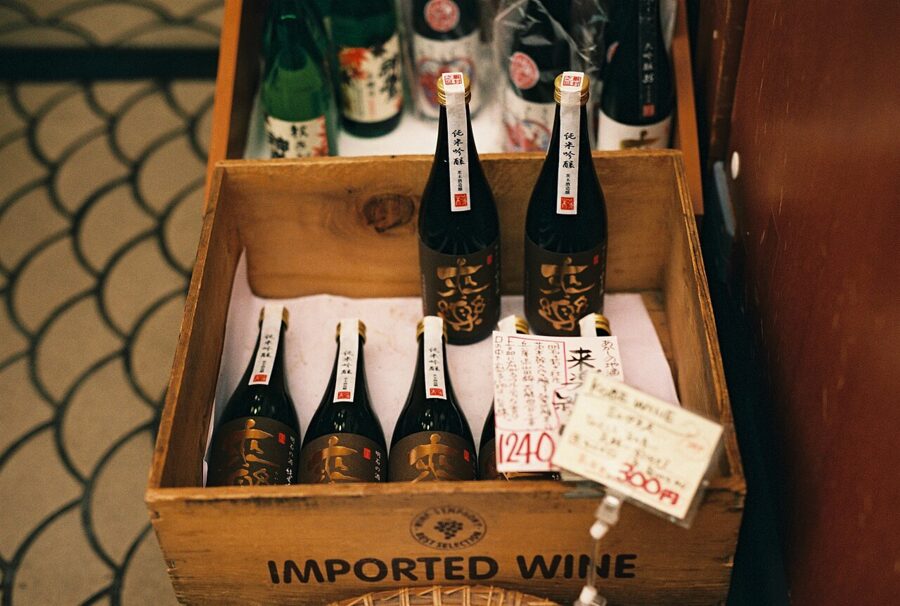

Nama, genshu, nigori, koshu and the other words
- 生酒 (namazake): never pasteurized. Fresh and zesty; keep it below 5°C.
- 生貯蔵酒 (nama-chozo) and 生詰め (nama-zume): pasteurized once, at bottling or before storage.
- 原酒 (genshu): undiluted and stronger. Good over ice.
- にごり酒 (nigori-zake): pressed through coarse mesh so some rice stays in. Cloudy, creamy, usually sweet.
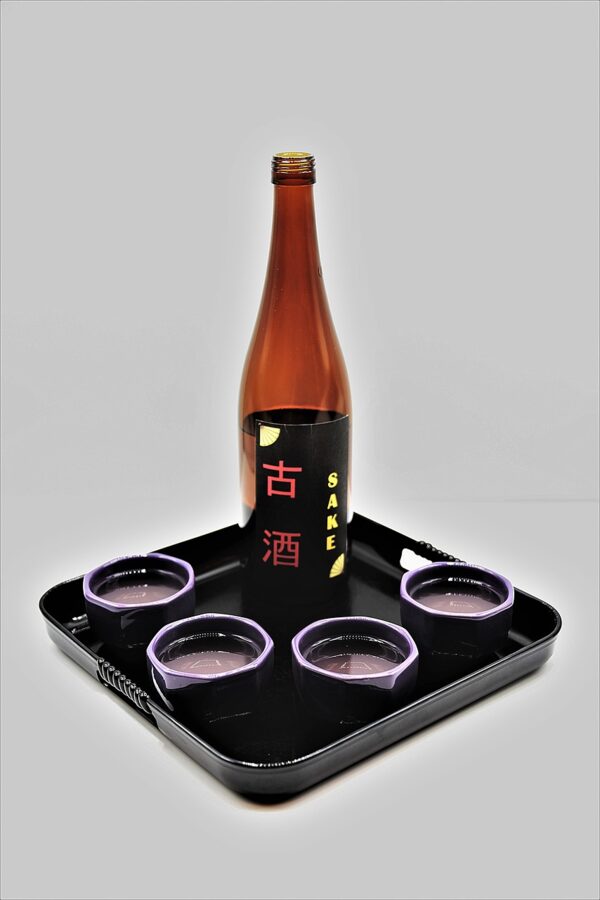
- 古酒 (koshu): aged on purpose until amber and caramel-scented. The law does not define it; it only allows a stated number of years in storage.
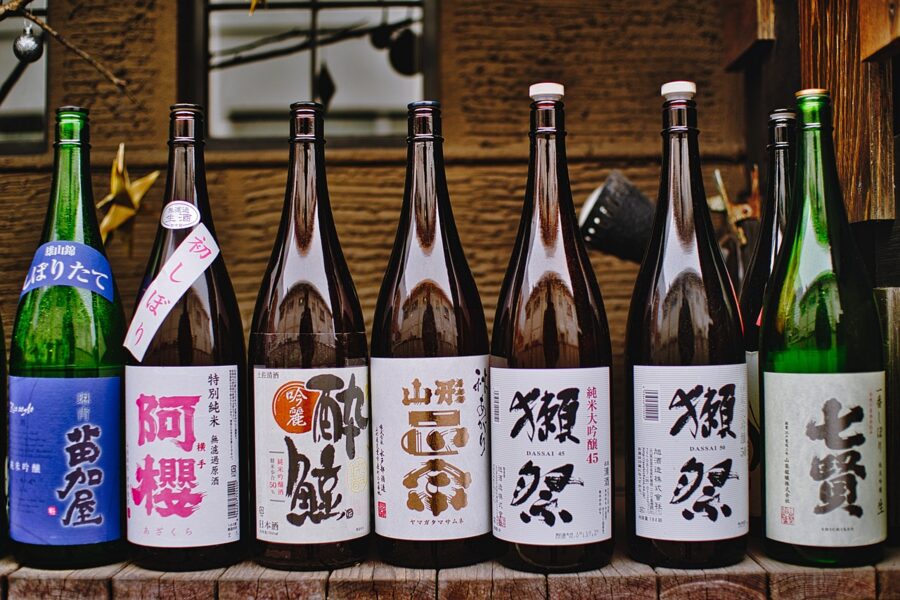
- しぼりたて (shiboritate): just pressed. ひやおろし (hiyaoroshi): rested over summer, pasteurized once, sold in autumn.
- 樽酒 (taruzake): stored in wooden casks. 生一本 (kiippon): junmai made entirely at one brewery.
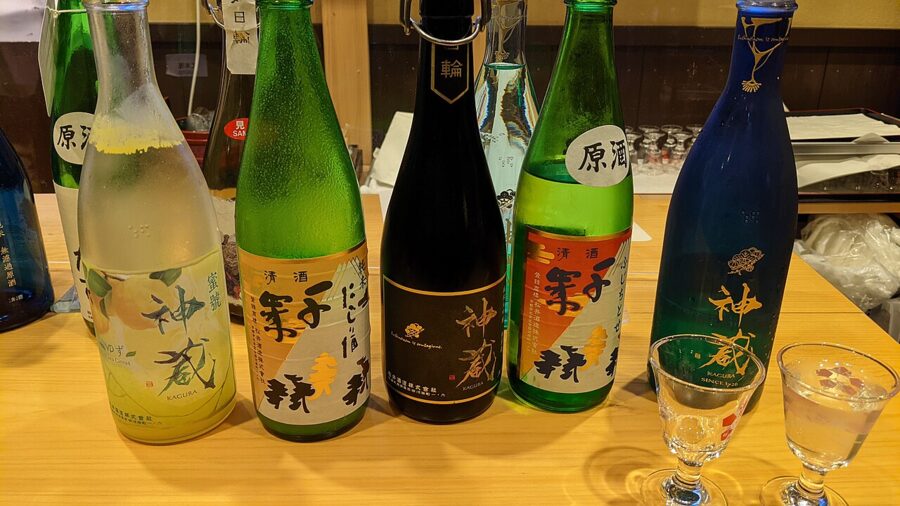

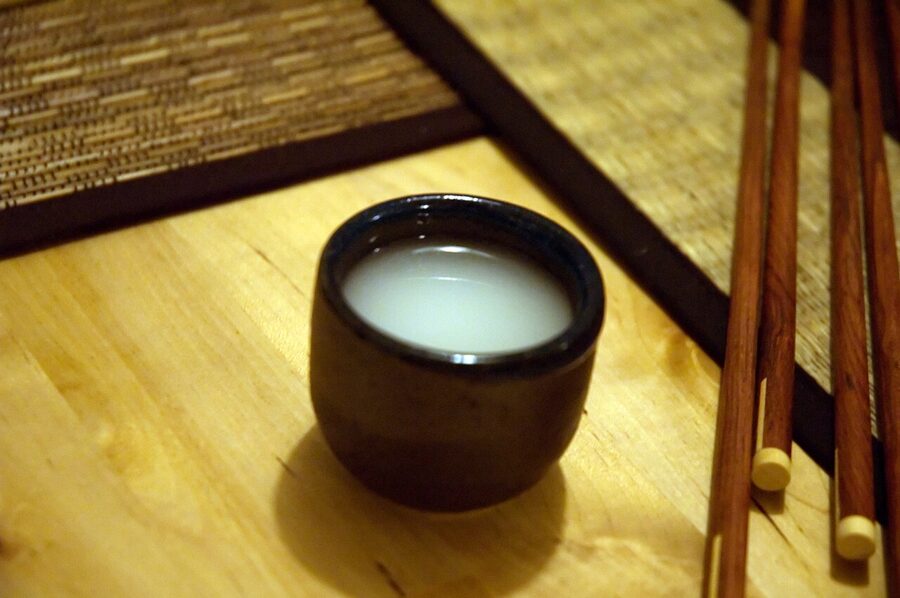

Sake meter value, acidity and the brewing year
日本酒度 (nihonshu-do, sake meter value) measures density against water: below zero suggests sweeter, above zero drier. 酸度 (sando, acidity) balances sweetness and adds body. Treat both as hints, since alcohol strength shifts the meter value too. The brewing year runs July 1 to June 30, so “2025BY” (or R7BY) means sake brewed in the season that began in July 2025.
Temperatures and vessels
Sake is served anywhere from fridge cold to hot, and Japanese has a word for almost every step. Nobody expects a bar to hit these to the degree.
- 雪冷え (yukibie, “snow chilled”): about 5°C.
- 花冷え (hanabie, “flower chilled”): about 10°C.
- 涼冷え (suzubie, “cool”): about 15°C.
- 常温 (jo-on, room temperature): older menus say 冷や (hiya), which confuses everyone.
- 日向燗 (hinatakan, “sun warmed”): about 30°C.
- 人肌燗 (hitohadakan, “skin warm”): about 35°C.
- ぬる燗 (nurukan, “lukewarm”): about 40°C.
- 上燗 (jokan, “nicely warm”): about 45°C.
- 熱燗 (atsukan, “hot”): about 50°C.
- 飛び切り燗 (tobikirikan, “extra hot”): 55°C and up.
Chilling brings out a light, fruity side; warming brings up sweetness, umami and a cereal smell. I keep ginjo cold and put junmai, honjozo, kimoto and yamahai at nurukan. Sake that improves when warmed is 燗上がり (kan-agari), and asking which bottles are kan-agari is a good way to start a conversation.

Ochoko, guinomi, masu and tokkuri
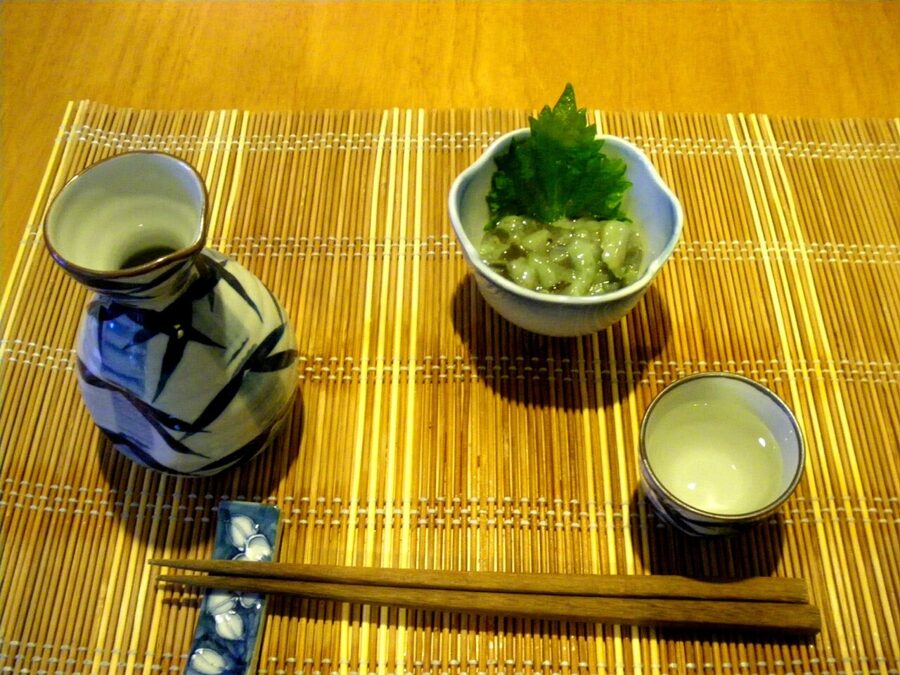
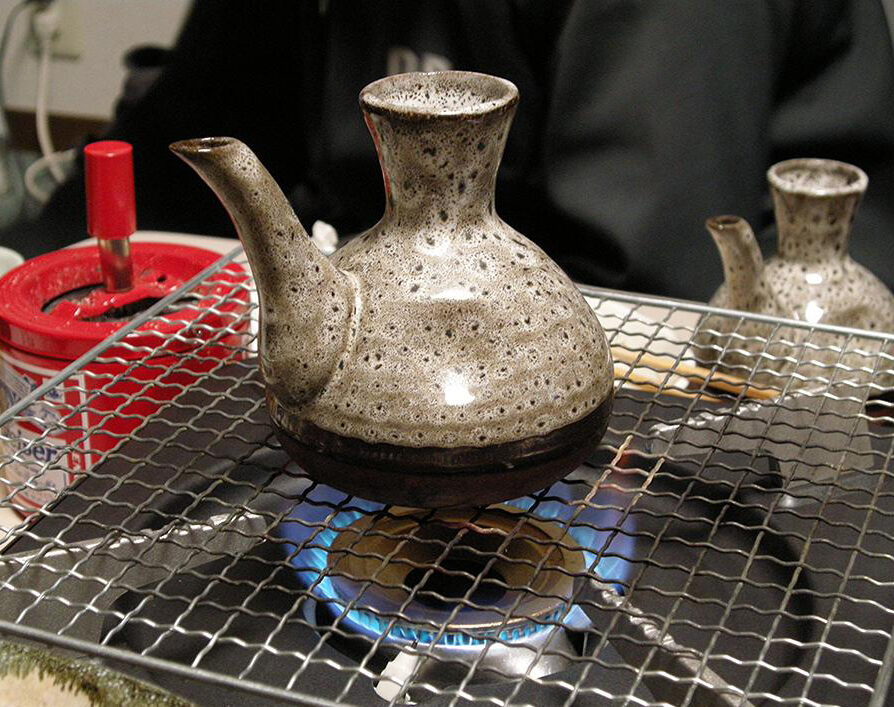
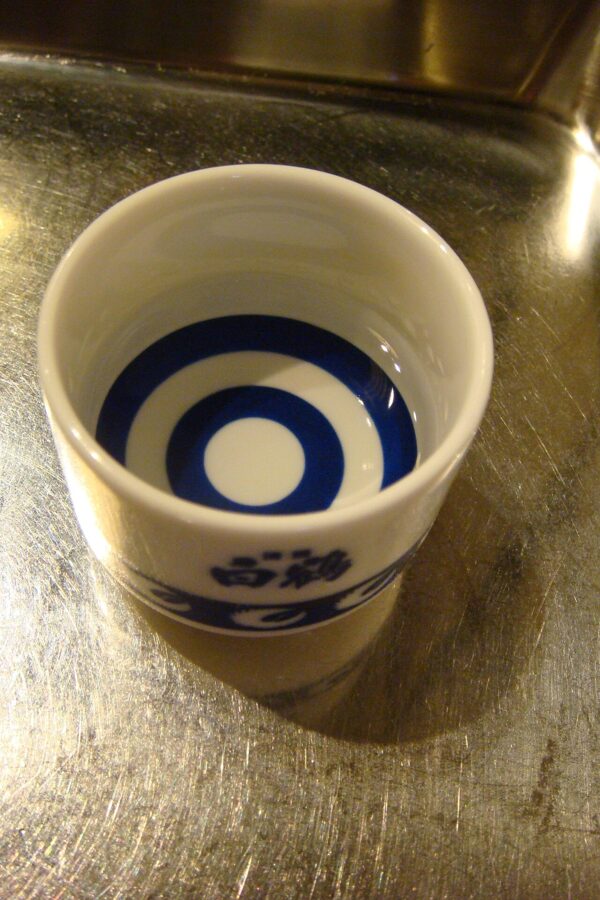
A 徳利 (tokkuri) is the narrow-necked flask, usually holding around 180 ml. Small cups are お猪口 (ochoko); a bigger, heavier one is a ぐい呑み (guinomi). Restaurants increasingly pour aromatic sake into wine glasses, which suit ginjo far better than a thick cup.
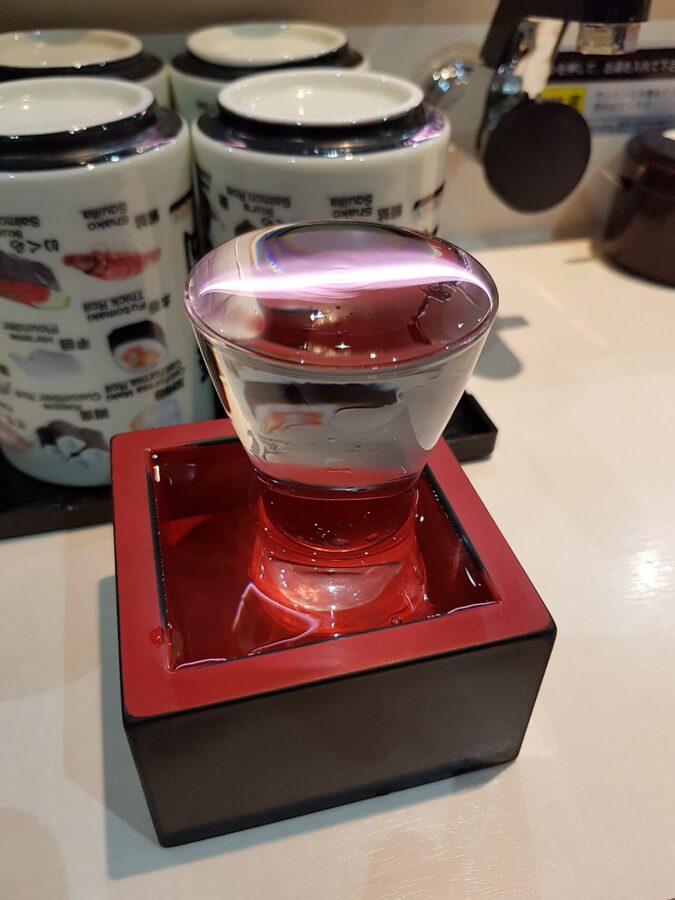
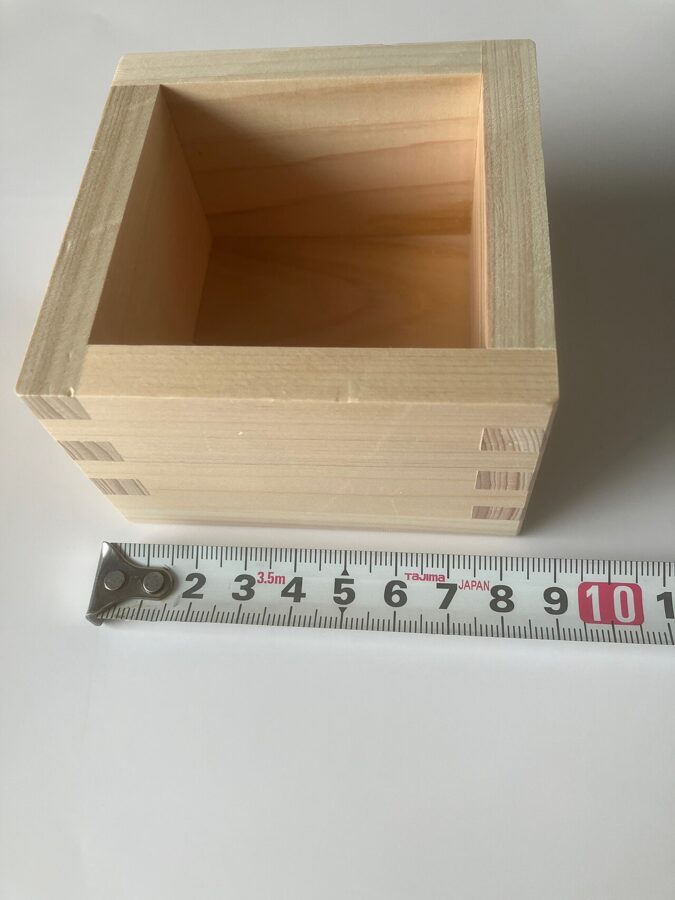
The 枡 (masu) is a square wooden box that began as a measure of one 合 (go), about 180 ml. The wood rubs off on the sake, so save it for festival sake rather than a delicate ginjo.


How to order sake in an izakaya or a sake bar
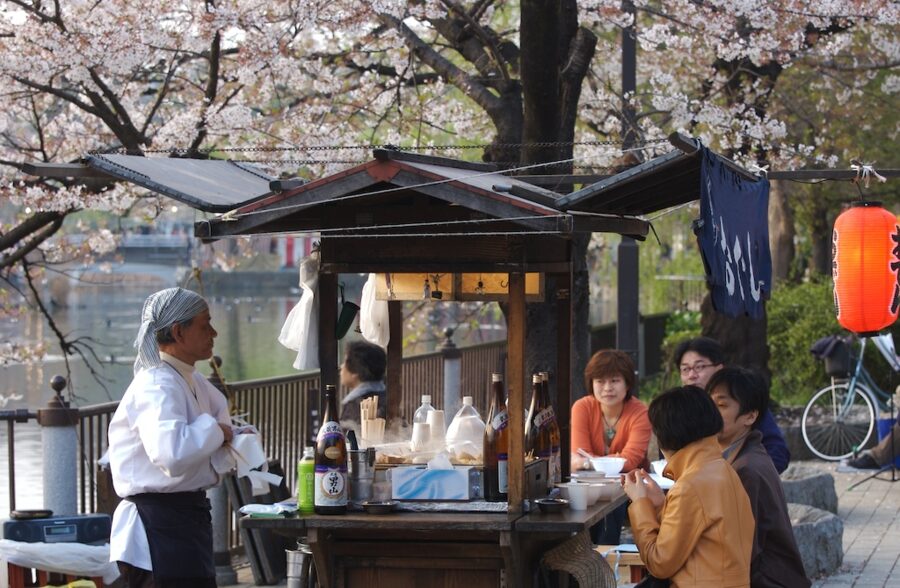
Most visitors meet sake first in an izakaya, where it shares the list with beer and shochu. A sake bar works the same way, with a longer list and staff who want to talk about it.
Order by volume and temperature. 一合 (ichigo, about 180 ml) is the standard pour and 二合 (nigo) a flask to share. Then say 冷酒 (reishu, chilled), 常温 (jo-on, room temperature) or お燗 (okan, warmed), adding atsukan or nurukan if you have a preference. Some bars also pour by the glass, and the menu will say so.
If the list is all brand names, these words will get you far:
- 辛口 (karakuchi): dry. 甘口 (amakuchi): sweet.
- おすすめ (osusume): “what do you recommend?”
- 地酒 (jizake): local sake. In a regional city, ask for this and you will get bottles from nearby breweries.
- 飲み比べ (nomikurabe): a tasting flight of small pours.
- 季節限定 (kisetsu gentei): seasonal only. In winter that means new, just-pressed sake.
Fill other people’s cups, let them fill yours and hold your cup up slightly when someone pours. Pace yourself: 15% alcohol in a cup this small goes down faster than it should.
Sake and food
Sake has far less acidity, iron and sulfites than wine, so it does not clash with fish, and its amino acids deepen the umami in food. The association’s pairing rules are sensible: rich with rich, delicate with delicate, warm sake with warm food, aged sake with aged cheese and dried fruit. Coastal breweries tend to make sake for seafood, mountain breweries sake for salted and preserved food.
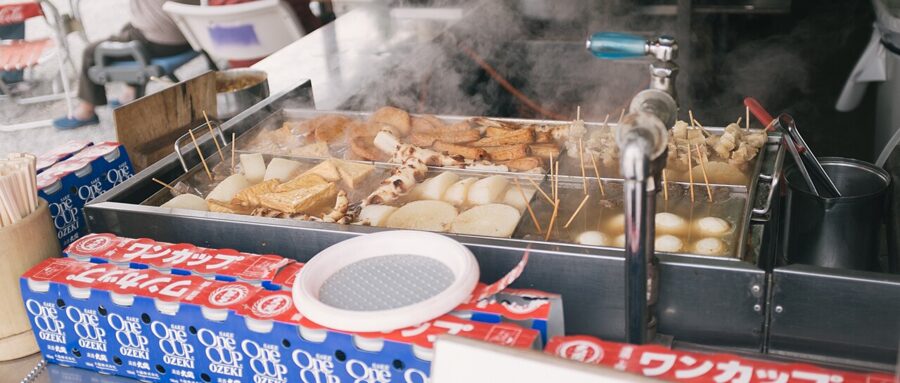
This is how I would order. A chilled junmai ginjo with sashimi and sushi, not a perfumed daiginjo, which fights the fish. Warm junmai with oden and anything simmered in soy and dashi. Koshu or yamahai with cheese.
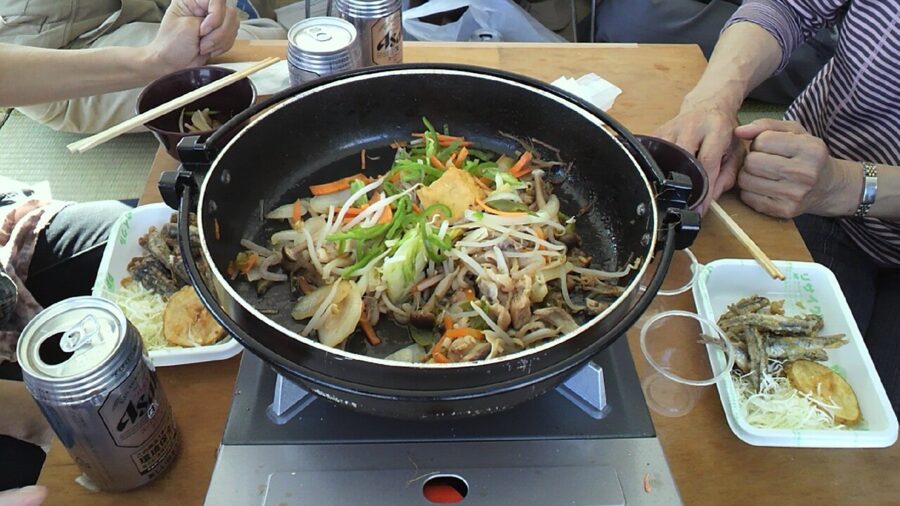
Sweet, sauced street food like takoyaki and okonomiyaki wants a dry honjozo or a cold beer, and I would not be embarrassed about the beer.


.jpg)
Brewing towns worth the trip
A few places have so many breweries in walking distance that a visit makes a day out. Brewery shops and museums pour tastings year-round; the brewhouses themselves are least open to visitors in the winter season. Hours and prices are as of November 2026.
Fushimi, Kyoto
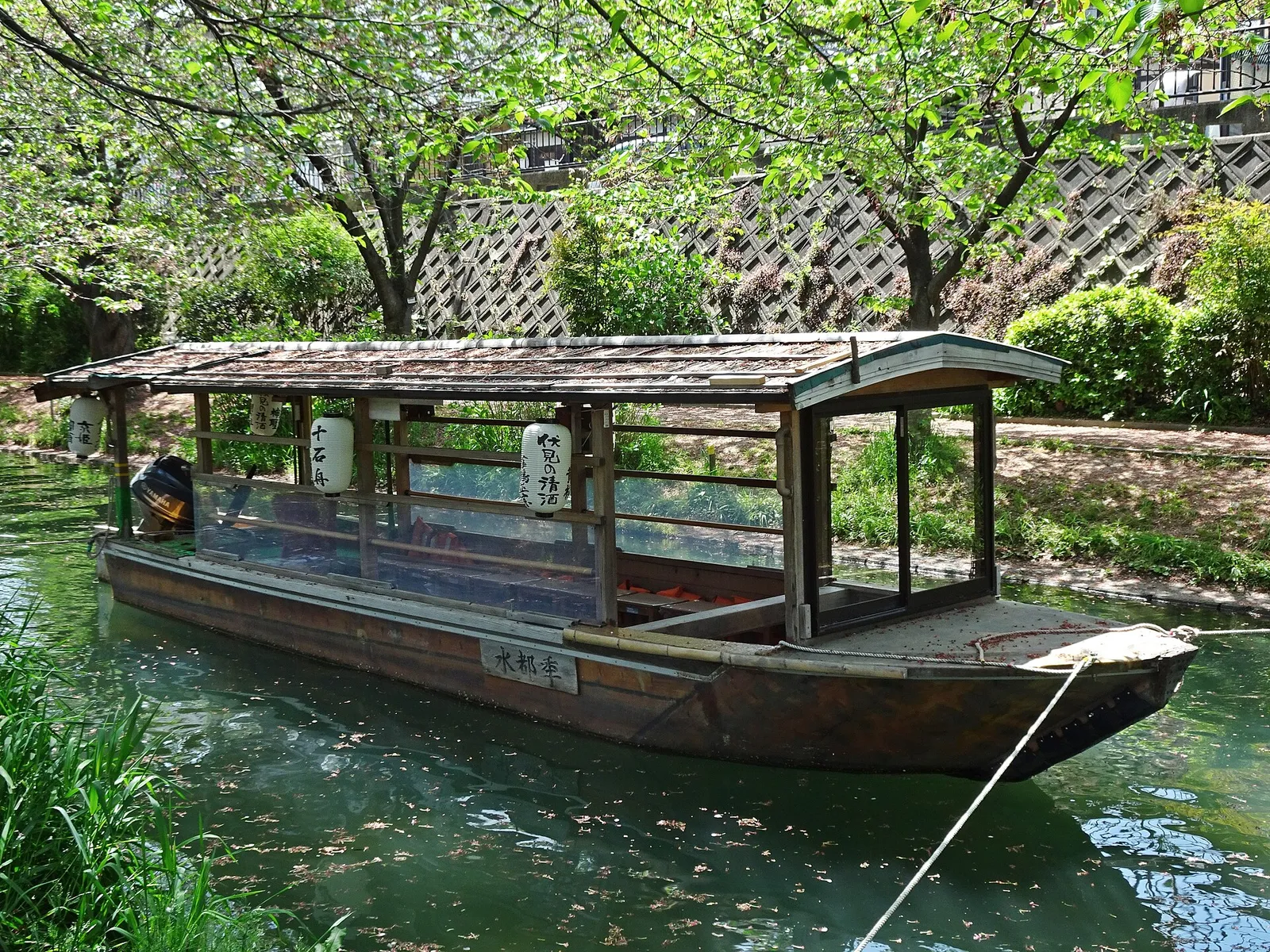
Fushimi was once written 伏水, “hidden water”, and its soft groundwater made it Kyoto’s sake district. The breweries line the Horikawa canal south of the center, with white storehouses, willows and 十石舟 (jukkokubune) tour boats. Gekkeikan, founded in 1637, is the big name.
The Gekkeikan Okura Sake Museum, five minutes’ walk from Keihan Chushojima Station, opens 9:30 to 16:30 (last entry 16:00). Admission is ¥600 (about US$4) for adults 20 and over and ¥100 for ages 13 to 19, and the visit ends with a tasting of three sakes of your choice. Payment is cashless only, groups of 13 or more are not accepted, and it closes December 28 to January 4 and August 13 to 16. You can walk in, but an online booking gets priority on busy days.
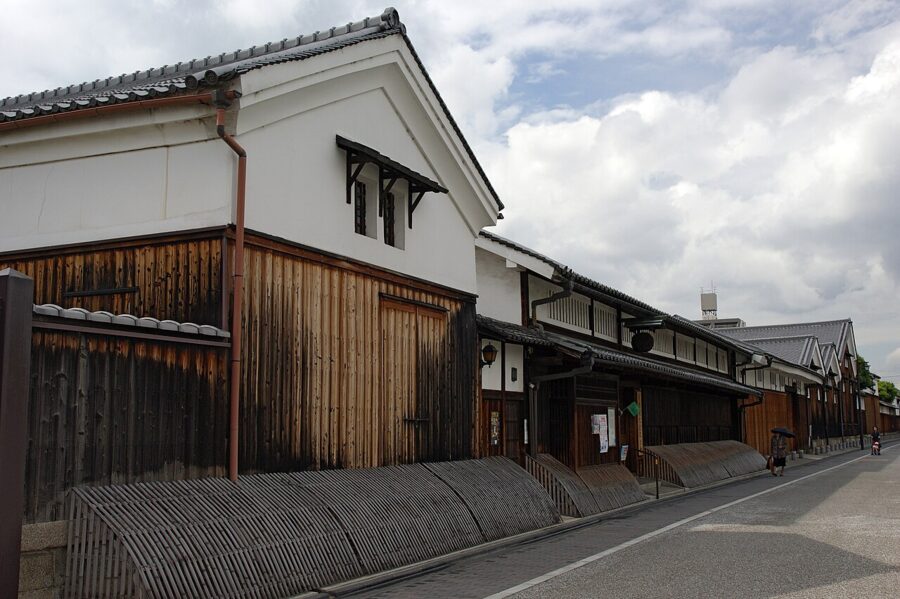

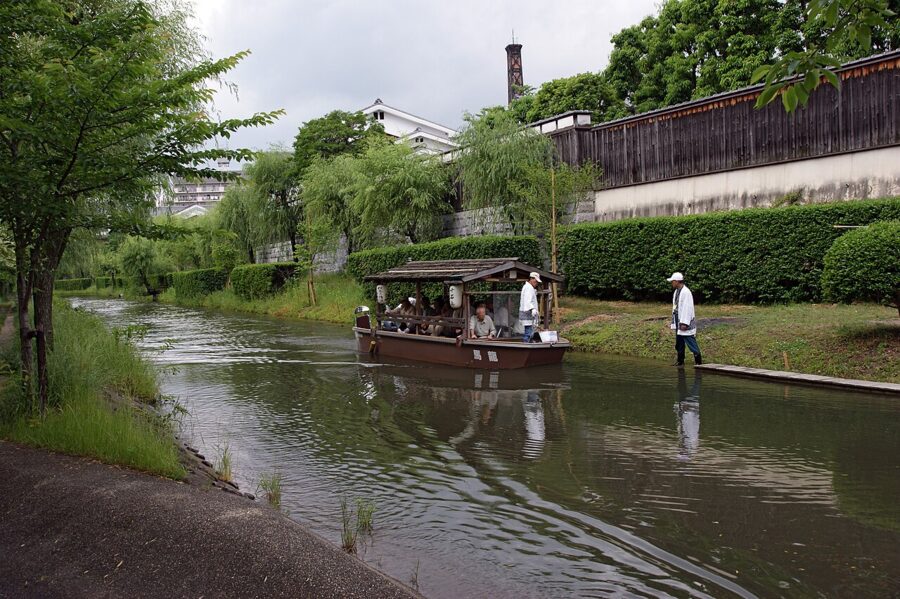


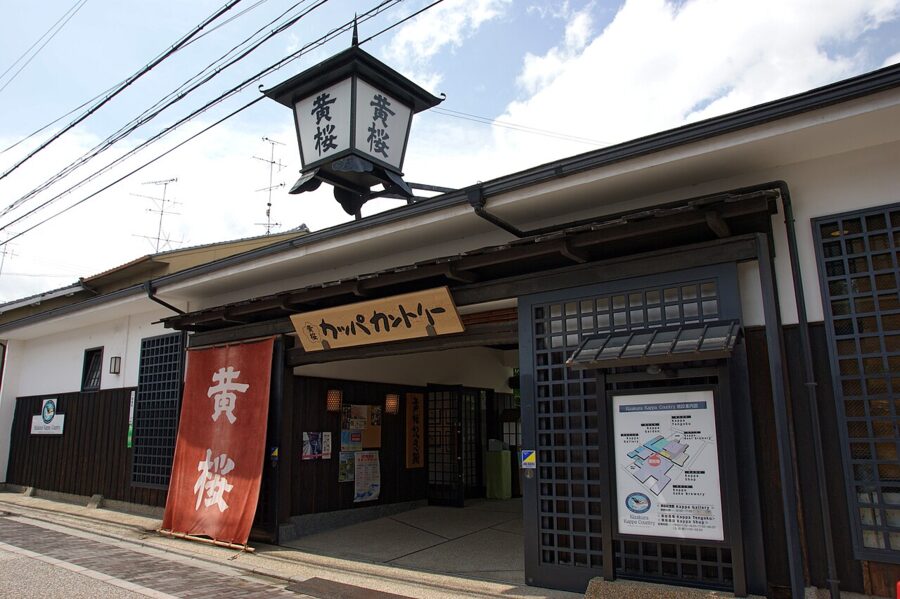
The Kyoto City Tourism Association also lists Kizakura Kappa Country, a restaurant in a converted brewery, and Fushimi Sakagura Koji, a food hall pouring many local labels. Smaller breweries such as Saito take visitors only if you phone ahead.

Nada, Kobe
Nada runs along the coast from eastern Kobe to Nishinomiya, five brewing quarters known as 灘五郷 (Nada-gogo). It made its name on 宮水 (miyamizu), a Nishinomiya well water with a particular balance of minerals and very little iron, and has had its own geographical indication for sake since 2018.
The Hakutsuru Sake Brewery Museum is free: an early Taisho-era brewery used until around 1970, with life-size figures walking you through each stage. It opens 9:30 to 16:30 (last entry 16:00), needs no booking for individuals and closes December 28, 2026, to January 4, 2027. Its shop and tasting area reopened in August 2026 after a full refit. The Kiku-Masamune Sake Brewery Museum nearby covers kimoto brewing; check its hours before you go.
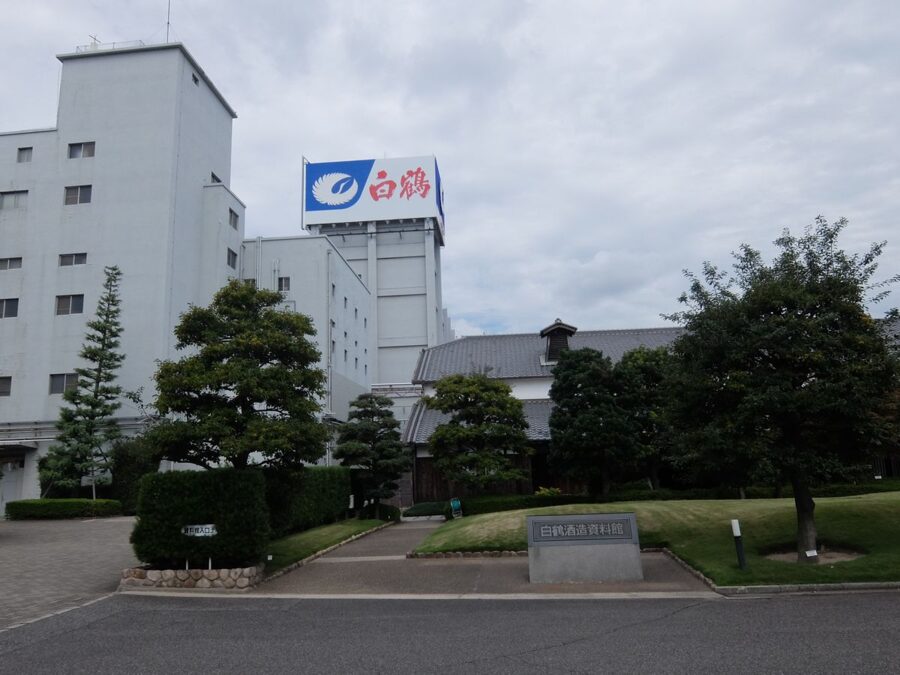

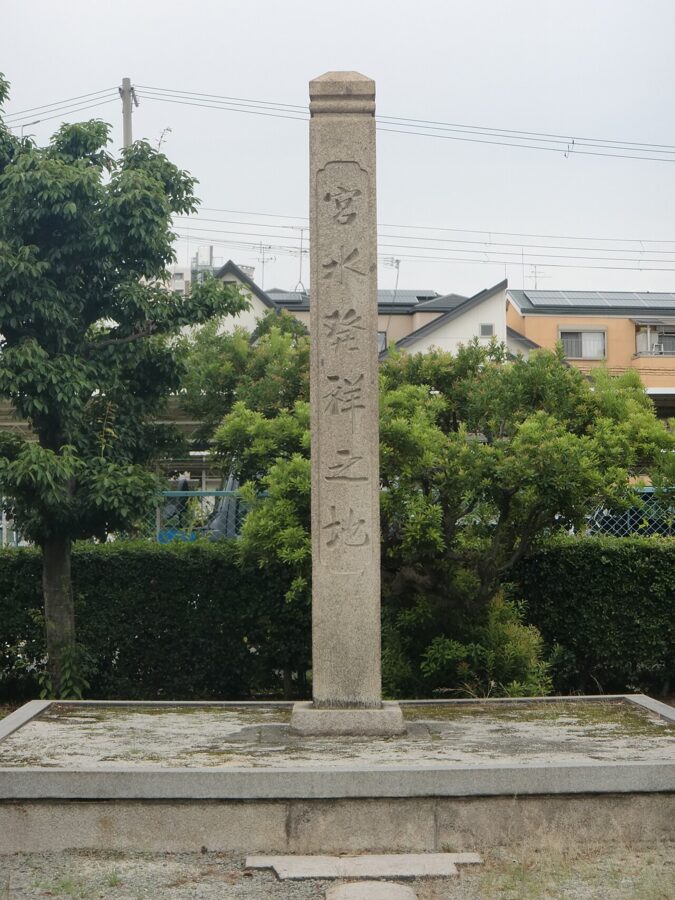

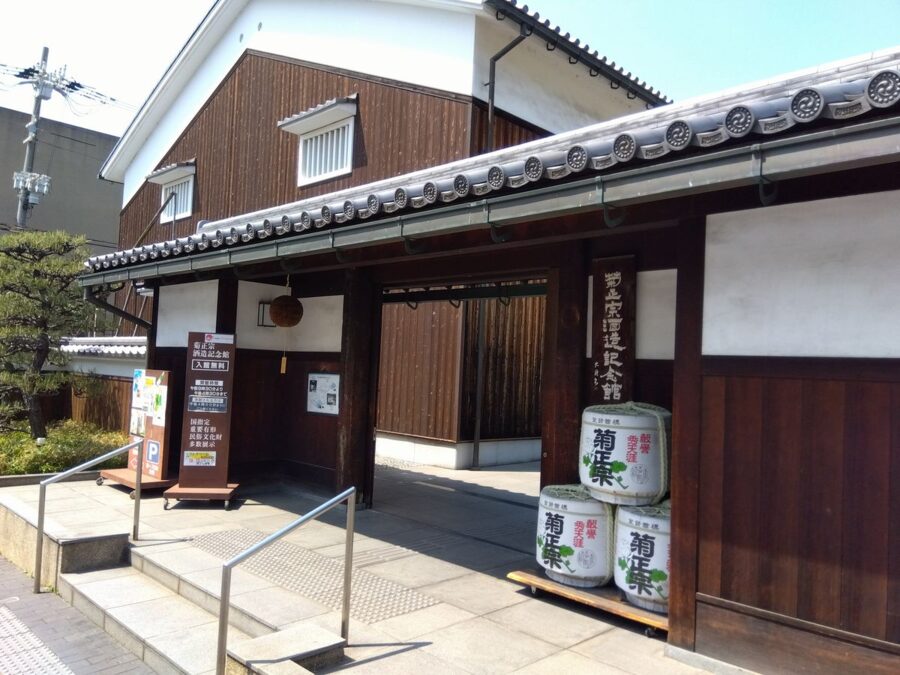

Saijo, Higashi-Hiroshima
Saijo, about 35 minutes by local train from Hiroshima, packs seven breweries into about a kilometer just south of JR Saijo Station. Hiroshima Prefecture ranks it with Nada and Fushimi as Japan’s three great sake regions, and with its brick chimneys and white storehouses it is the best-looking of the three.
The 酒まつり (Sake Matsuri) fills the streets on the Saturday and Sunday of October’s three-day weekend; the 2026 festival on October 10 and 11 drew about 220,000 people, and the main tasting area, with sake from all over Japan, charges admission. Go on a weekday for the breweries and on festival weekend for the party.
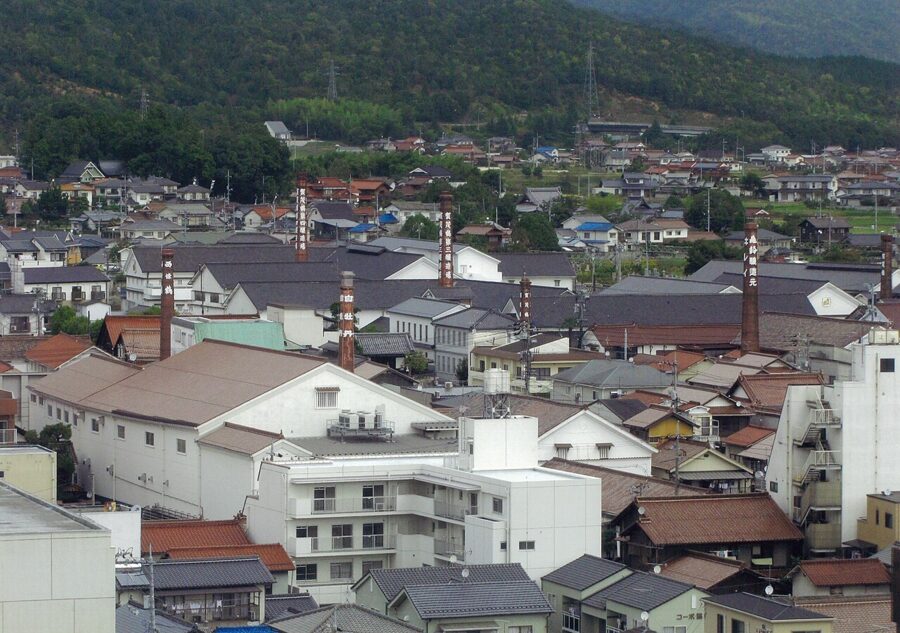

Niigata and the Ponshukan
Niigata has 91 breweries, more than any other prefecture, according to its tourism site. Snowmelt gives it soft water and a clean, light style called 新潟淡麗 (Niigata tanrei).
Ponshukan in Niigata Station has a tasting corner with a sake from every brewery in the prefecture. ¥1,000 (about US$6.50) buys a borrowed cup and five coins for the self-serve machines, from 9:30 to 20:30 (last entry 20:15). The price doubled on July 1, 2026, the first rise since 1995; the branches in Echigo-Yuzawa and Nagaoka stations work the same way.
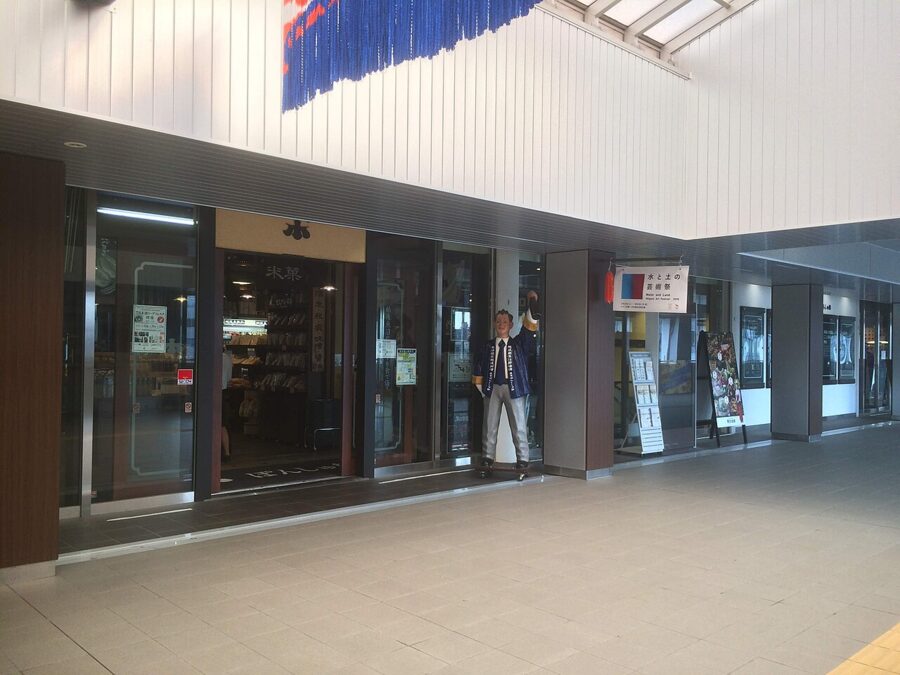

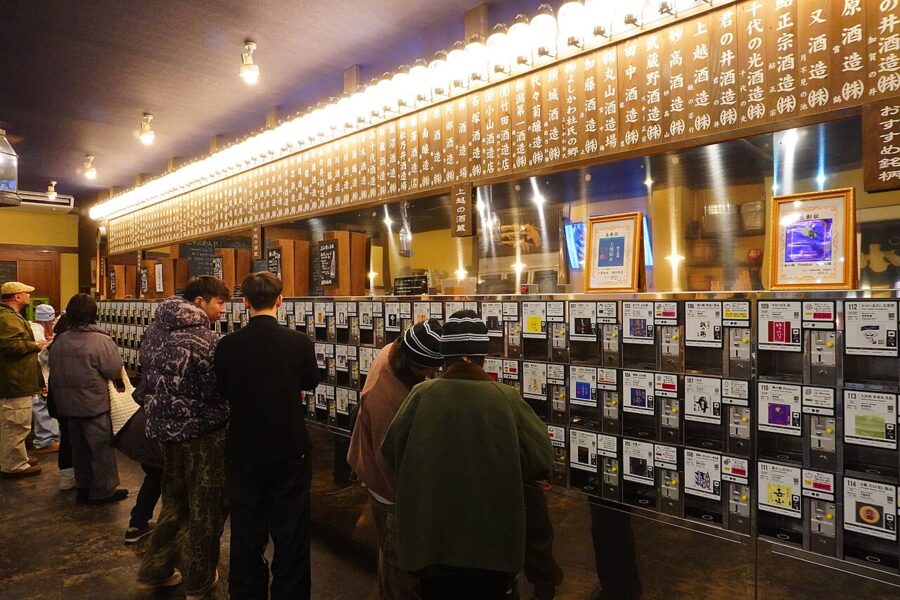

Takayama’s sugidama breweries
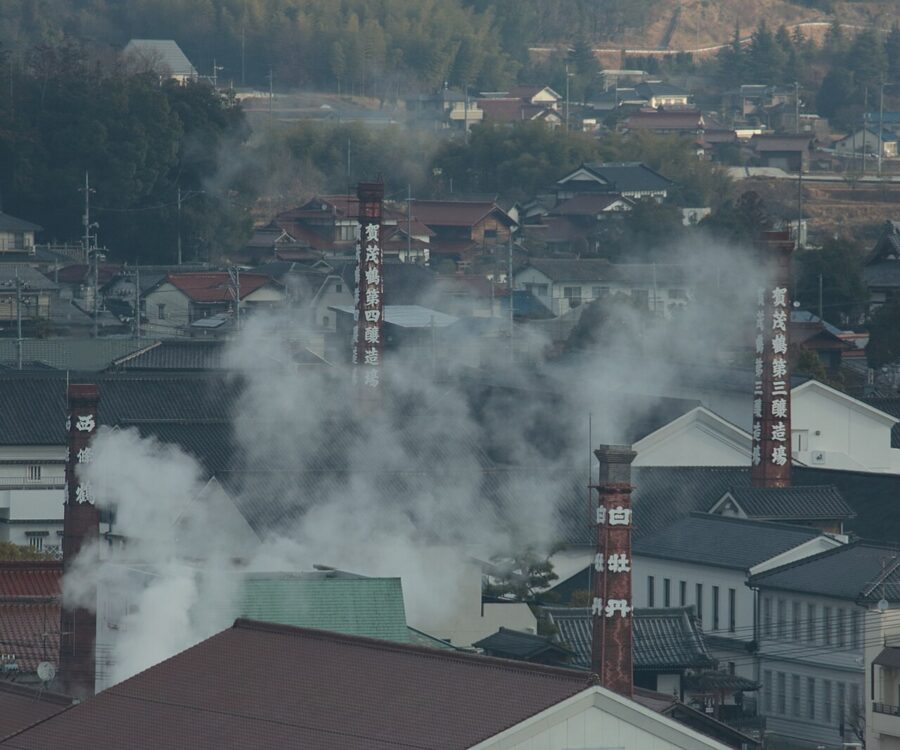
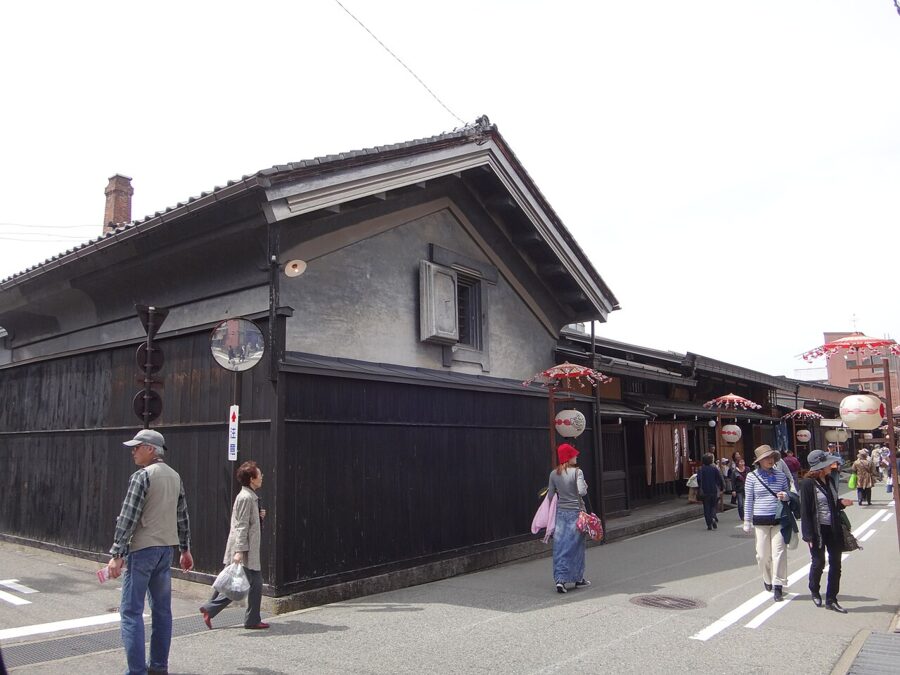
Takayama has seven breweries more than a century old, most on the Sanmachi streets 10 to 15 minutes’ walk from JR Takayama Station. JNTO says the town had 56 about 330 years ago. Hirase is the oldest at around 400 years, Niki dates from 1695, and Oita’s Onikoroshi (“demon killer”) is famously dry.
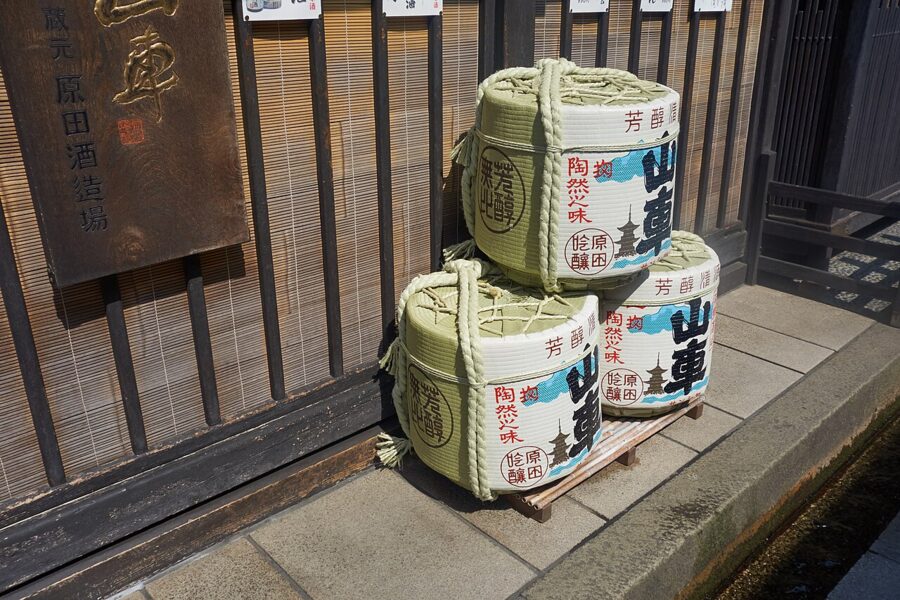
Look for the cedar ball over the door and the straw-wrapped casks outside; most of the breweries pour samples in their shops. Each late spring the Nonbei Matsuri rally links six of them (Hirase, Niki, Hirata, Harada, Funasaka and Oita): a ¥3,000 (about US$19) booklet buys two tastings at each, and the next runs May 28 to June 20, 2027.


Buying sake and taking it home
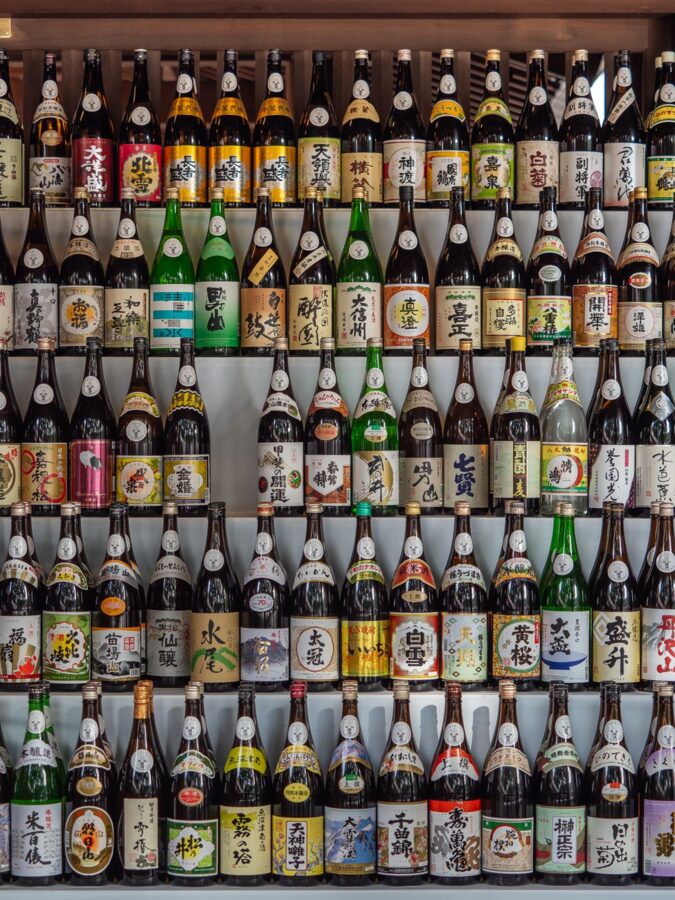
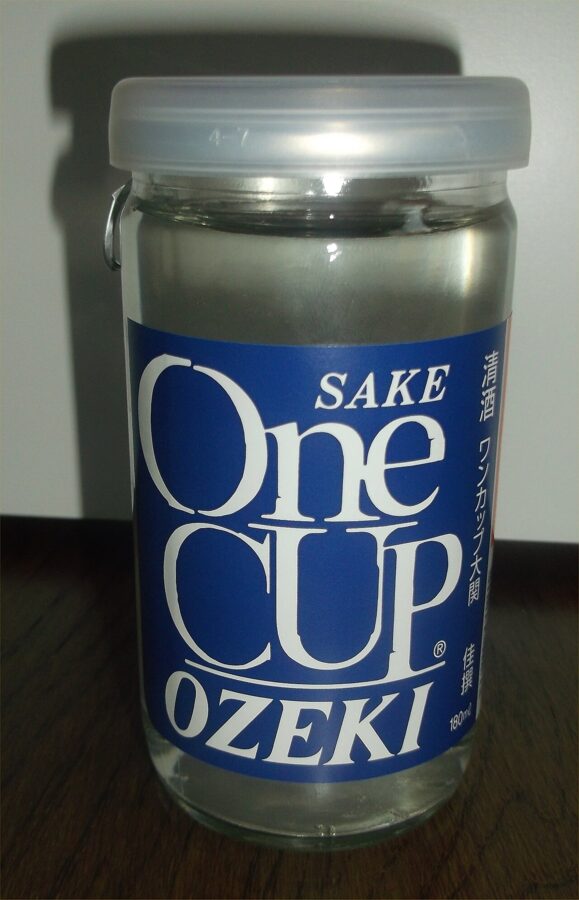
Bottles come in 720 ml 四合瓶 (yongobin) and 1.8-liter 一升瓶 (isshobin); for carrying home, buy the 720 ml. Brewery shops have bottles you will not find elsewhere and department-store food halls the widest range. At the other end, a 180 ml cup from the konbini shelf, next to the onigiri, is a respectable train drink. Buy pasteurized sake for the flight: nama needs to stay cold.


Tax-free shopping has changed
Since November 1, 2026, Japan’s tax-free system uses a refund method: you pay the full price including consumption tax, and it is refunded after customs confirms at departure that the goods are leaving. Purchases of ¥5,000 (about US$32) or more before tax per store per day qualify, within 90 days of departure.
Two catches apply to sake. A bottle you drink in Japan cannot be refunded, and if one item from a receipt is missing, nothing on that receipt is. The goods must be with you at the airport’s tax-free kiosk before you check your bags, so do that first.
Customs at home
Full-size bottles go in checked baggage. For US residents 21 and over, US Customs and Border Protection allows one liter of alcohol duty-free; more is allowed, but the extra is dutiable (CBP’s own example charges 3% plus federal excise tax), and state limits can be stricter. Other countries set their own limits, so check yours before you buy a case. Flying into Japan, Japan Customs lets adults bring three bottles of about 760 ml each duty-free.
Back in Takayama, the cedar ball tells you most of this at a glance. Green means the new season’s sake is pressed and pouring, fresh and quite possibly nama. Brown means it has rested and is ready. Whatever color it is, go in, ask for the osusume and drink it at the temperature they suggest.